

Within the realm of interior design and remodeling, the choice between a do-it-yourself method and engaging a flooring specialist can be a pivotal one. Although embarking on a flooring project on your own might seem attractive due to potential cost savings, the reality often reveals a multitude of complexities that can lead to costly mistakes and inferior results. Flooring is not just about looks; it involves a thorough understanding of materials, installation techniques, and the intricacies of subfloor preparation. This intricate skill set is exactly what seasoned contractors bring to the project, ensuring not only flawless finishes but also long-lasting functionality.
Prior to diving into a flooring project, reflect on the unique challenges that commercial spaces present. informative post ’s knowledge can significantly influence the success of the project, from addressing issues like moisture levels and acoustic compliance to managing budgets effectively. By asking the appropriate questions and understanding the landscape of high-end flooring options, you can appreciate the value that a professional brings. In this piece, we will examine the reasons why engaging a flooring contractor is often the smartest choice, highlighting on critical aspects such as collaboration with architects, the importance of material selection, and the strategies to avoid costly mistakes. Let’s delve into how a dedicated expert can enhance your flooring project to new heights, ensuring it meets both aesthetic desires and practical requirements.
Important Aspects for Hiring a Flooring Specialist
When choosing a flooring specialist, it's important to evaluate their experience and knowledge in the specific type of flooring project you have in mind. Look for contractors who specialize in commercial or residential flooring, depending on your requirements. Ensure they have a proven track record of successfully completed projects, and don't hesitate to seek out testimonials of their work. A contractor with a robust portfolio demonstrates not only their skill but also their ability to manage different designs and substances efficiently.
Another key factor is evaluating the contractor's technique to subflooring preparation and water control. Inadequate preparation can lead to serious complications down the line, such as buckling or warping. Ask interested contractors about their approaches for addressing moisture concerns and flatness concerns in the underlay. A well-informed contractor will have specific methodologies and a evidence-based approach to these challenges, ensuring that your floor install is both sturdy and aesthetically pleasing.
Finally, consider the contractor's communication methods and management skills. Successful teamwork between contractors, architects, and you as the client is important for a smooth project execution. Assess how forthright the contractor is during initial discussions. A contractor who emphasizes clear communication and provides a clear outline of the project scope, schedule, and expenses will reduce the risk of confusions and expensive setbacks.
Fundamental Questions to Consider Prior to You Hire
While contemplating enlisting a flooring contractor, it's vital to gather all the required information to ensure you reach an aware decision. Commence by asking about their expertise with specific types of flooring and projects like to yours. Understanding their history can help you assess their capability and dependability. Additionally, ask about the certifications and certifications they hold, as these can be signs of their credibility and devotion to excellent work.
Then, ask for endorsements and instances of past work. A trustworthy contractor should have a showcase illustrating their projects, allowing you to assess their structural and aesthetic quality. Reaching out to former clients can provide insight into the contractor's method, dedication to deadlines, and communication effectiveness. It's essential to ensure that you'll be satisfied collaborating throughout the project, as a strong partnership can significantly impact the final results.
In conclusion, explore the financial aspects, including a comprehensive quotation and financial arrangements. Understanding how the contractor handles costs can assist avoid expensive mistakes that could lead to setbacks and become financially unwieldy. Ensure to ask how they handle unexpected challenges, as well as their practice for warranty and upkeep after the implementation is done. These questions can safeguard your investment and facilitate a smoother flooring experience overall.
Understanding Floor Covering Project Expenses and Challenges
When start on a flooring project, comprehending the potential costs involved is crucial. Many factors can affect the overall budget, such as the kind of materials chosen, the complexity of the installation process, and the experience level of the flooring professional. High-quality materials, such as custom hardwood or sustainable options, usually come at a premium but can offer long-term value. Additionally, complex designs or tailored layouts can substantially increase labor costs, making it important to have a open conversation with your contractor about expectations and limitations.
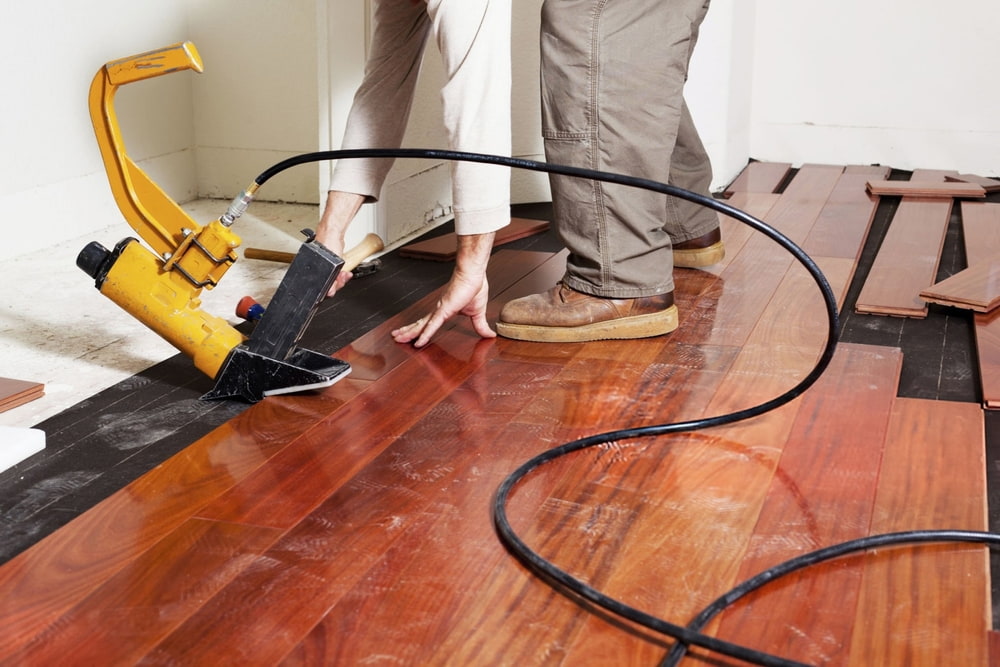
One more challenge that often arises in flooring projects is ensuring proper subfloor preparation. This step is vital for the longevity and performance of the flooring. Issues such as dampness problems or uneven surfaces must be resolved before installation begins, as neglect to do so can lead to costly repairs and delays. Hiring an experienced flooring contractor familiar with subfloor needs can help reduce these challenges and streamline the process, ensuring that projects stay on track and within budget.
Lastly, cooperation with other trades, such as mechanical and electrical contractors, is important for a successful flooring installation. Holdups frequently occur when flooring timelines are not aligned with other construction phases. By actively coordinating these timelines, a flooring contractor can help prevent disruptions and maintain the flow of the project. This level of organization not only saves time but also reinforces the necessity of hiring a skilled professional who comprehends the intricacies of business flooring projects.