

Natural light plays a vital role in our everyday existence, affecting everything from our mood to our ability to work efficiently. As designers and architects seek to create spaces that not only meet aesthetic standards but also enhance the well-being of occupants and sustainable practices, the analysis of daylight becomes increasingly essential. Daylight evaluation refers to the methodical evaluation of natural light within a built environment, allowing for thoughtful design decisions that maximize energy efficiency, improve lighting comfort, and promote a healthier work and living environment.
In this article, we will discuss the science of natural light evaluation, providing a thorough guide for modern architects. From understanding key principles like daylight metrics and spatial daylight autonomy, to exploring techniques and methodologies that facilitate effective daylight modeling, we will cover the essential elements of this key discipline. By analyzing how Daylight Analysis Glastonbury Somerset contributes to sustainable design practices and certifications such as LEED and BREEAM, we will underscore its importance in creating spaces that are not only functional but also promote a stronger connection to the natural world. Join us as we explore the various ways daylight analysis shapes the architecture of today and the years to come.
Understanding Natural Light Evaluation
Natural light evaluation is a essential process in architecture that assesses how natural light works with building environments. It entails considering various factors such as sunlight availability, light distribution, and the risk for glare, permitting architects to develop spaces that enhance daylight use while lessening adverse impacts. Through daylight analysis, designers can create spaces that are not only energy-efficient but also supportive to occupant comfort and well-being.
This analysis is especially important in commercial buildings, where significant amounts of artificial lighting can cause excessive energy consumption. By maximizing natural daylight, architects can considerably decrease reliance on electric lighting, thereby minimizing operational costs and aiding to sustainability goals. Tools like daylight simulation software aid in simulating sunlight patterns and analyzing the impact of design choices, such as window placements and shading devices, in improving daylight access.
Incorporating daylight analysis into the architectural design process enables a holistic understanding of how light influences interior environments across the year. With metrics such as light factor and spatial daylight autonomy, architects can confirm that spaces receive adequate natural light during the day. This not only enhances visual comfort but also aligns with the principles of natural design, fostering an overall healthier living and working space for occupants.
Natural Light Evaluation for Power Efficiency
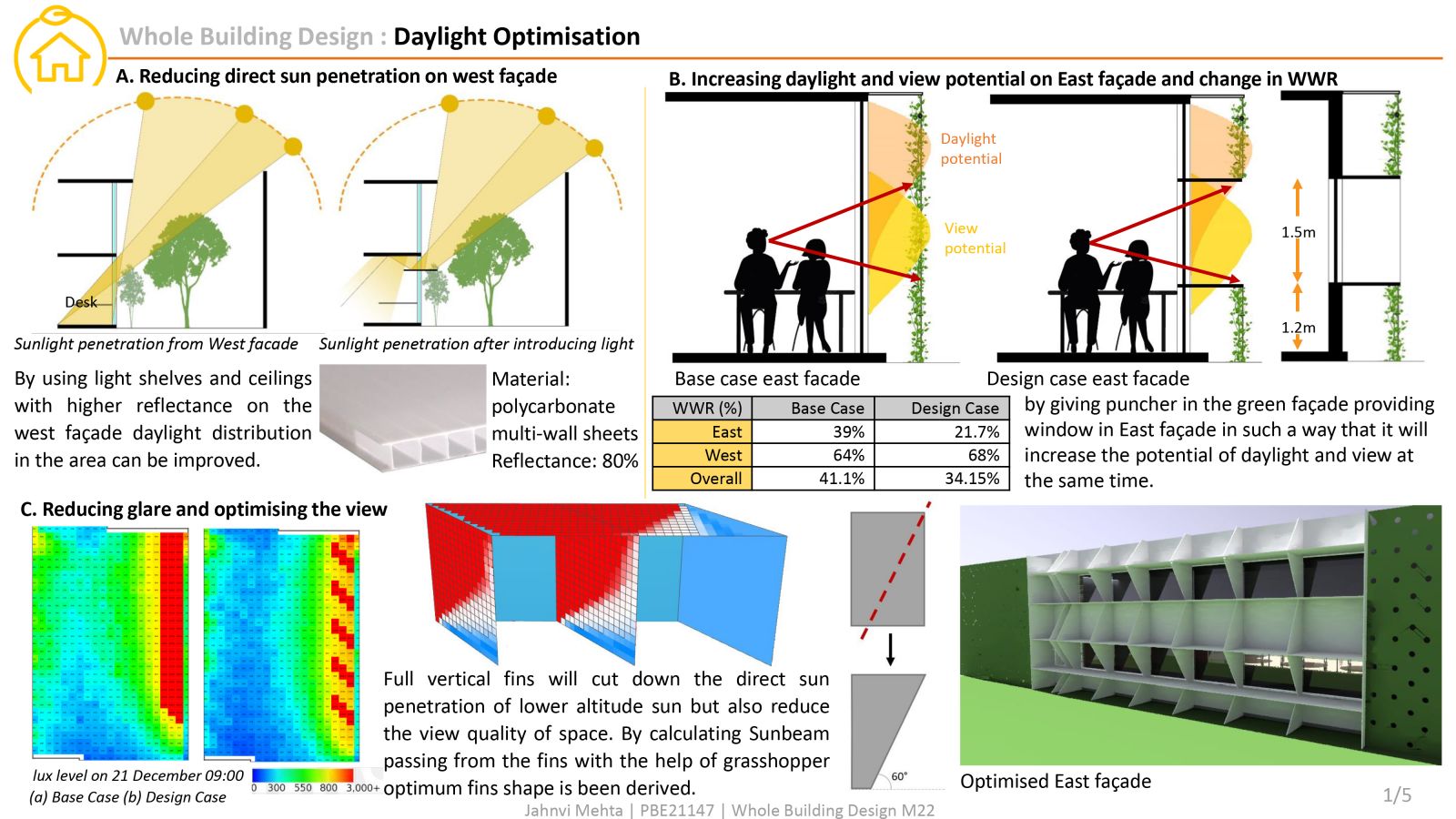
Daylight analysis plays a critical role in enhancing energy efficiency in industrial buildings. By analyzing the daylight entering a area, architects and designers can make educated decisions about positioning of windows, the use of skylights, and shading strategies. These observations enable the drop of dependence on man-made lighting, leading to lower energy consumption and expenses. Improved daylighting not only enhances the appearance and comfort of interior environments but also contributes with energy-saving goals in sustainable architecture.
Integrating daylight analysis into the planning phase can significantly affect the total energy performance of a building. By employing tools and simulations to evaluate how daylight interacts with different materials and spaces, architects can ensure that plans optimize daylight while reducing heat gain. This equilibrium is essential for lowering the burden on heating and cooling systems, thereby decreasing the building’s environmental impact and operational costs.
Furthermore, the evaluation of natural light fosters a practice of energy efficiency by promoting the use of renewable resources. As natural light is utilized effectively, buildings can create a comfortable atmosphere with reduced dependence on electricity. This shift not only benefits the planet but also creates healthier living and working conditions. In Daylight Analysis Yeovil Somerset , natural light evaluation is an essential strategy for contemporary architects focused on creating sustainable, eco-friendly, and user-friendly buildings.
Tools and Techniques for Daylight Simulation
Within the field of daylight analysis, choosing the right tools is essential for architects aiming to optimize natural light in their designs. Different software options are on the market, each with unique features tailored for specific analysis needs. Common tools like Insight provide sophisticated simulation capabilities. These programs allow designers to assess daylight availability, scrutinize glare potential, and determine daylight autonomy. By employing these tools, architects can illustrate how light interacts with their designs, leading to informed decision-making during the design phase.
Technique-wise, the application of climate-based daylight modeling (CBDM) is increasingly adopted among professionals. CBDM offers a more realistic approach to representing daylight by considering local weather patterns and seasonal variations. This method enables architects to predict daylight performance throughout the year, guaranteeing that spaces keep adequate illumination levels. By including real-time weather data, CBDM can guide adjustments in design elements, such as window placement and shading devices, to enhance overall daylight quality in a building.
Moreover, integrating techniques like light shelves and reflected sunlight optimization can significantly improve daylight distribution within interior spaces. These strategies focus on boosting natural light penetration while lessening glare and overheating. As architects continue to explore innovative daylight simulation approaches, a combination of advanced software and strategic design techniques will be crucial for creating buildings that balance light, energy efficiency, and occupant comfort.