

Regarding transforming a space, the function of a flooring contractor is crucial. Quality flooring not only improves the design quality of a property but also adds to its long-term durability and performance. Whether you are starting a commercial project or updating your home, selecting the right flooring contractor can make all the difference in achieving the goals. With numerous options available, recognizing what to look for in a contractor is essential for ensuring a successful installation.
This guide, we will explore important aspects to consider when hiring a flooring contractor. From evaluating a contractor's portfolio for both structural and aesthetic standards to comprehending the critical questions to ask before making a decision, we aim to equip you with the knowledge needed to manage this important process. With insights on luxury flooring finishes, humidity and leveling issues, and the cutting-edge in sustainable materials, you’ll be able to make an educated choice that aligns with your objectives.
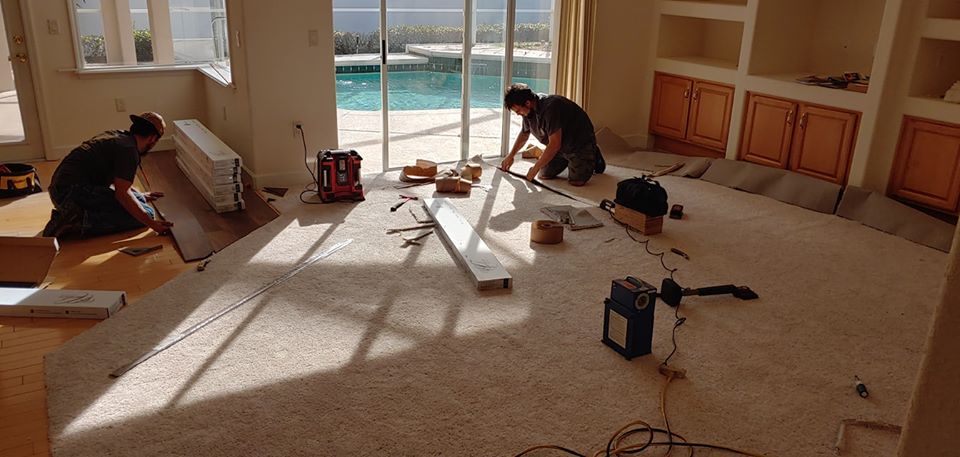
Key Aspects For Hiring a Flooring Contractor
Selecting the best flooring contractor is crucial to the effectiveness of your project. Commence by assessing the contractor's expertise and expertise in working with the specific type of flooring you desire, including hardwood, tile, or commercial-grade materials. A qualified contractor should have a strong portfolio showcasing previous projects that demonstrate both durability and aesthetic appeal. Seek out examples that align with your aesthetic and ask for references from past clients to gauge their contentment and dependability.
A further important factor to think about is the contractor's understanding of subfloor preparation, which is critical for a successful installation. Make sure that they are well-versed in addressing moisture issues and leveling challenges that might affect the lifespan of your flooring. Inquire about their method for preparing the subfloor and how they ensure compatibility with different flooring materials, especially if your space has unique architectural features or climate considerations.
Ultimately, evaluate how the contractor works with other professionals, such as architects and interior designers, to secure a cohesive and efficient project execution. go to my blog and a definite understanding of the parameters of work are crucial to eliminate costly mistakes. Establish how the contractor plans to organize timelines and navigate interactions with other trades involved in the fit-out process, which can ultimately influence your project's timeline and cost. ### Flooring Installation Technical Insights
Grasping the nuances of subfloor setup is vital for achieving a successful flooring setup. It’s essential to tackle humidity and leveling issues before applying the flooring. High-end flooring professionals often employ sophisticated tools to conduct moisture testing, ensuring that the environment is suitable for materials like wood or tile. Properly managing these factors not only improves the lifespan of the flooring but also helps preemptively mitigate potential failures that can arise from improper installation conditions.
The decision of the suitable materials is also important, as it immediately impacts both sturdiness and appearance. Contractors must consider these two factors, particularly in high-traffic business environments where wear and tear is a concern. Utilizing sustainable and responsibly sourced materials can also meet eco-friendly building standards while still creating aesthetically pleasing spaces. It is essential that contractors examine the lifespan of their selected materials to ensure they meet both practical and aesthetic intent.
Collaboration between flooring contractors and architects is essential for a smooth installation. Topographic Surveys Coombe can prevent financial mistakes and setbacks often seen in professional flooring endeavors. By creating a comprehensive project outline and collaborating with other trades, such as plumbing and electronic, flooring contractors can enhance productivity and minimize interruptions. This structured approach is vital for maintaining project timelines and budgets, ensuring that the final installation meets both visual and performance requirements.
Assignment Oversight Approaches for Corporate Floor Coverings
Effective project management remains essential for the success of all corporate surfacing assignment. A primary core strategies involves creating a thorough assignment schedule which details every important milestones and timelines. This schedule needs to include critical stages such as underfloor readiness, supplies arrival, setup, and standard control evaluations. By defining clear timelines, surfacing professionals can ensure that they stay in line and collaborate effectively with collateral teams, reducing the likelihood of delays and confirming that the project operates smoothly.
Another key approach is discussion and collaboration with every stakeholders involved in the task. Regular discussions with planners, stylist, and junior contractors can assist tackling any issues that come up swiftly, allowing for rapid decisions and changes. Utilizing project oversight tools can assist in tracking advancement and relay news in live, guaranteeing that all parties is in sync on objectives and timelines. This joint strategy does not only improves efficiency but also encourages a spirit of partnership among each parties engaged, which results in a more effective assignment result.
In conclusion, risk control has a vital role in business surfacing assignment coordination. Spotting likely hazards early on, such as material shortages, unexpected worksite situations, or weather-related delays, allows teams to devise backup plans. Conducting comprehensive location inspections and applying moisture evaluations before installation can aid lessen problems related to moisture and flatness. By actively tackling these threats, surfacing teams can keep command over their activities and uphold their promises to customers and stakeholders.