

In the dynamic world of construction, flooring specialists play a key yet often overlooked role. Their skill transforms raw spaces into beautiful environments, setting the stage for everything from thriving retail shops to tranquil corporate offices. A typical day in the life of a flooring contractor reveals a blend of detailed planning, hands-on skill, and complex problem-solving, all aimed at delivering results that meet the diverse needs of clients and designers alike.
As these experts navigate the intricacies of each project, they rely on their deep knowledge of materials, cutting-edge technologies, and industry best practices. From assessing subfloor conditions to mastering the skill of seamless transitions between different flooring types, flooring contractors are dedicated to achieving flawless finishes that not only enhance aesthetic appeal but also ensure durability and functionality. In this article, we'll investigate the daily activities of a flooring contractor, highlighting their duties and the critical considerations to think about when hiring one for your upcoming project.
Important Factors When Hiring a Flooring Contractor
When choosing a flooring contractor, one of the first steps is to assess their experience and reputation within the industry. A contractor with substantial experience is generally to be knowledgeable with different flooring materials and installation techniques. Consider customer testimonials and past project reviews to assess their dependability and workmanship. This will help guarantee that you work with a contractor who meets both your aesthetic and practical needs.
Another critical aspect to consider is the contractor’s portfolio. https://qcflooringmiltonkeynes.uk/best-amtico-flooring-milton-keynes/ of completed projects can provide insight into their style and craftsmanship. Focus on structural integrity and aesthetic cohesiveness across their works. It is vital to evaluate whether the contractor can deliver on both design intent and durability, particularly for frequently used commercial spaces. A compelling portfolio indicates not just skill, but also compatibility to your project’s vision.
Finally, effective communication is key throughout the hiring process. Make sure the contractor is open to discussions and able to communicate their processes in a clear manner. An effective contractor will collaborate well with other professionals, such as architects and interior designers, facilitating smooth progress on your project. Be sure to inquire about their planning and preparation methods, as this will reveal their ability to anticipate potential challenges and optimize workflows, ultimately contributing to a successful flooring installation.
Best Practices for Floor Covering Installation
When initiating a flooring installation, the first step is to confirm proper subfloor preparation. This entails checking for moisture issues, evening out any uneven areas, and confirming that the subfloor is clean and free from debris. Using high-tech moisture testing systems is essential to preventing future complications, as excess moisture can lead to serious damages to various flooring types. A well-prepared subfloor not only extends the longevity of the flooring but also contributes to a smoother installation process.
Another key practice is to carefully plan the layout before commencing the installation. This consists of determining the direction of the planks, confirming proper transitions between different materials, and allowing for expansion gaps. Attention to detail during this phase can avoid costly mistakes and enhance the aesthetic integrity of the finished product. High-end contractors often rely on shop drawings and submittals to share these details clearly, confirming that all team members are aligned with the vision.
Finally, successful collaboration with other trades, such as mechanical and electrical professionals, is essential to avoid conflicts during installation. Coordinating schedules and tasks can avoid significant delays, especially in commercial projects where timelines are tight. By prioritizing communication and fostering teamwork between all involved parties, flooring contractors can enhance both the installation process and the overall quality of the project.
Innovations in Flooring Substrates and Methods
The flooring industry has witnessed significant innovations in substances and techniques that enhance both longevity and visual appeal. Contemporary flooring contractors progressively employ manufactured timber and luxury vinyl tile, which provide the aesthetic quality of natural resources while providing improved resistance to moisture and wear. In addition, the innovation of sustainable flooring choices, including repurposed materials and forestry stewardship council certified timber, reflects a expanding commitment to environmentally friendly practices in construction. These advancements not only cater to aesthetic desires but also address ecological issues, paving the way for greener project implementations.
In addition material advancements, the techniques employed by flooring contractors have evolved significantly. Premium commercial flooring projects often employ advanced fitting methods such as floating floors and lock-in flooring styles that speed up the installation process while ensuring a seamless finish. Contractors are now armed with high-accuracy tools and technology, such as laser leveling and moisture testing systems, which enable them to achieve unmatched accuracy and adherence to required standards. This technological integration significantly lowers the risk of costly mistakes and delays, ultimately resulting in increased client satisfaction.
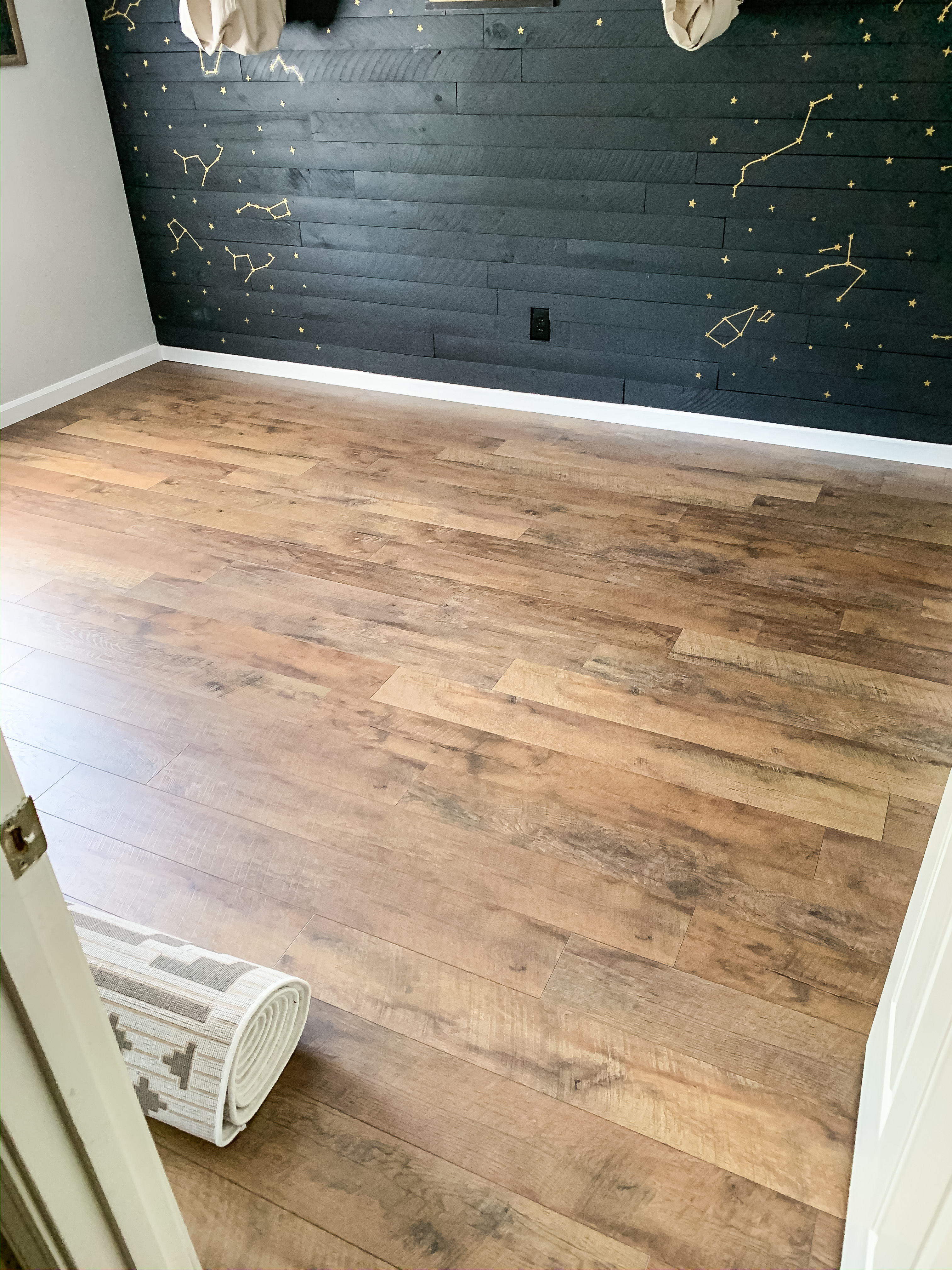
Moreover, original design concepts, like tailored hidden-fix solutions, provide both strength and aesthetic quality, enabling clean lines in flooring transitions. The growth of digital technologies, including 3D scanning and digital twin technology, is changing how contractors approach installations, enhancing accuracy and collaboration in the workflow. As these innovations continue to shape the industry, flooring contractors are ideally positioned to meet varied client needs while embracing the next generation of flooring aesthetics and application.